The Struggle to Discover Who You Are After Being Raised by an Enmeshed Parent

After realizing that you were raised by an enmeshed parent, you might start to understand where some of the patterns you see in yourself come from.
For example, you might struggle with daily choices that seem basic to everyone else, like what to order in a restaurant.
When talking to others, you might let their opinions become your opinions, but then mirror back a different opinion to someone else if that’s what they believe.
People-pleasing can feel ingrained, and you might never push back against authority at work or ask for a raise you know you’ve earned.
You might totally avoid making big life decisions for a lack of knowing what to do. Even asking for help can feel impossible, because you feel too vulnerable to depend on someone else.
In therapy, I help adult children of narcissistic mothers to unpack the emotional control that you’ve been under so you can start to prioritize your own needs and goals. A therapist who specializes in adult children of narcissistic parents will support you in setting strong boundaries so you can work towards what you want in your life.
You learned to orient yourself around your parent. But you can learn to orient yourself around you.

How Enmeshment Can Make You Feel Like an Extension of Your Parent
In “Families and Family Therapy,” Salvador Minuchin explained how enmeshment between a mother and her child shows up as a relationship where personal boundaries are lacking. This means the child may have difficulty developing a separate sense of self.
The daughter is expected to think and act like her, and always be in agreement with her opinions.
The mother may guilt or shame the daughter when she makes her own choices, or doesn’t agree with her mom. Independent decisions may be discouraged, which can set the daughter up for duplicating that same pattern years after moving out of the home.
Karyl McBride, author of “Will I Ever Be Good Enough?: Healing the Daughters of Narcissistic Mothers, explains that this kind of mother:
“makes all the decisions and pressures the daughter on what to wear, how to act, what to say, what to think, and how to feel. Her daughter has little room to grow and blossom individually or to find her own voice, becoming in many ways an extension of her mother…the weakened self-image and the sense of unworthiness their daughters take away from this behavior are tragic.”
If it feels like you don't know who you are outside of your parent's expectations, that doesn't mean there's something missing inside you. You can develop a clearer sense of yourself over time.
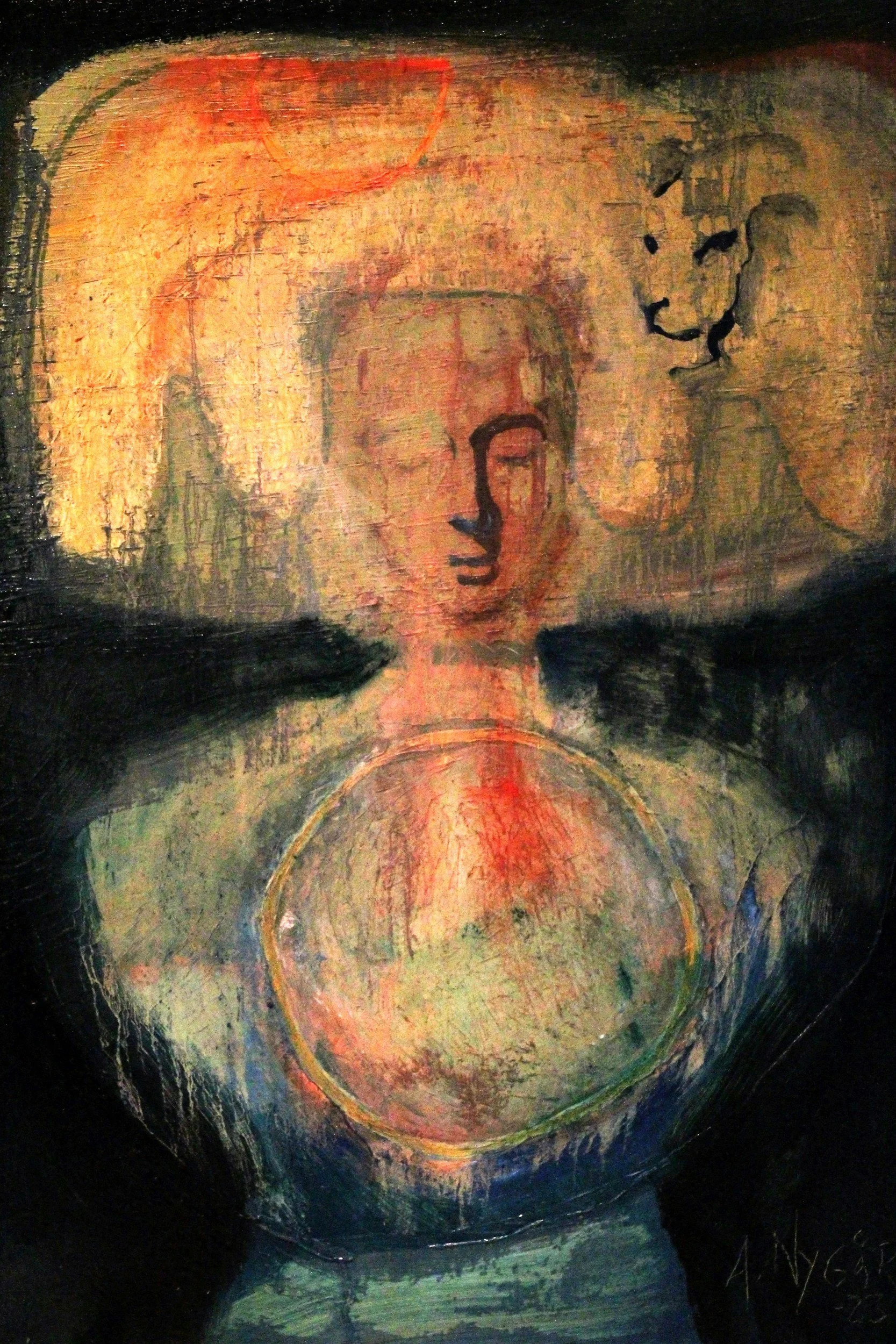
How to Develop a Sense of Self as an Adult Child of an Enmeshed Parent
But your opinions, needs, desires, dreams and goals are still yours to discover. It might just take time to learn how to notice them.
1. Learn to Notice What you Actually Want & Make Decisions From That Information
Start with low-stakes situations, like what to wear to a gathering or what to try at a new coffee shop. You might look at what others are doing to inspire your answer - resist the urge and instead see what speaks to you.
Then, take action on your desires. Wear what you want, try something new at the coffee shop.
You don't have to make every decision without input from other people. The goal is to notice when you're asking for someone's opinion because you genuinely want their perspective versus when you're asking because you don't trust your own.
2. Define Your Values to Help Solidify What You Want
When it’s challenging to hone in on what you want, turning to a list of your personal values can support your decision making. Researchers found that values-clarification methods can reduce decisional conflict and help people make choices that are more consistent with their values. When you identify what matters to you, those values can give you an internal reference point when you’re making decisions.
You can find a list of values here, or ask yourself these questions:
What qualities do you want your life to embody?
What do you admire in other people & why?
Once you have your list, you can begin to reference it when you’re uncertain of your goals and desires.
For example, if creativity is one of your values, carve out time for drawing or visit an art museum when you’re uncertain of activities you want to do during the weekend.
3. What Parts of Yourself Do You Want to Develop?
Similarly to the values exercise above, asking yourself, “What parts do I want to develop” instead of “Who am I?” can feel less overwhelming and help you focus on achievable outcomes.
Maybe you want to become someone who is more adventurous, creative, independent, outspoken, playful, or calm. Don't pressure yourself to discover a finished identity all at once. Instead, you can experiment with the qualities you want to cultivate and notice what feels meaningful to you.
4. Learn to Recognize Your Own Voice
You see a new hairstyle that you’d love to try. Maybe it looks fun and bold, or is easy to manage and would suit your face. Whatever it is, notice in these times when thoughts like “My mother would think…” “I can hear her saying…” “Who am I to have fun/make my own choices/uplevel my self worth?” “A good daughter would…” “I’m supposed to…”
Then flip the script and ask yourself “What do I think?” or “What would I choose if I didn’t have to defend my decision to anyone?”
Working with a therapist can help you distinguish your own beliefs and desires from the messages you learned from your parent.
5. Be Compassionate with Yourself
Research published in Mindfulness has linked emotional enmeshment with difficulties around self-compassion and greater feelings of inadequacy.
Self-compassion means learning to respond to yourself with the same understanding and kindness you might offer someone else who is struggling.
You might be used to criticizing yourself for having the ‘wrong’ opinion or making the ‘wrong’ choice. In those times, self-compassion gives you room to experiment with being your own person without immediately being upset with yourself for your choice.
You Can Develop a Strong Sense of Self After Being Raised by an Enmeshed Parent
Your purpose in life isn’t to meet your mother’s unfulfilled hopes. Instead, it’s something that you get to decide. You don’t have to know exactly what that looks like yet.
Right now, it might feel impossible to change behaviors that have been a major part of your childhood.
However, I’ve seen clients begin to develop a stronger sense of who they are and make choices that once felt impossible for them.
Sometimes, the life they build is far beyond what they once believed was possible for themselves.
If you’re a California resident, I can support you in deepening your sense of self and healing after being raised by an enmeshed or narcissistic parent.
You might also be interested in…