Shopping Addiction Signs: Harmless or Compulsion? An addiction therapist’s perspective on the difference.

We all like a good sale, especially if it’s on a product that’s been on our wishlist for a while, or on an item that we buy with frequency.
But what’s the line between a harmless shopping spree and a shopping addiction?
In this article, I’ll outline the emotional, behavior, and thought signs of compulsive shopping so that you can see if your “retail therapy” habits are problematic.
Hi, I’m Michele Ross LCSW, an addiction therapist in Los Angeles. I have over 25 years of experience as a therapist, including serving as Clinical Director at an addiction treatment center.
Emotions Associated with Compulsive Shopping
Occasional Fun vs. Frequent Stress Relief
Fun shopping is light-hearted and without dependency, while stress-driven shopping can point to a possible addiction.
Occasional Fun Looks Like:
A Sunday Ritual: "I get groceries first thing on Sunday morning, and the trip is so peaceful."
Meaningful & Moderate Treat: "I finished that hard task at work, so I’ll treat myself to an ice cream stop."
Frequent Stress Relief Examples:
After an Argument: You fought with your spouse and you tried to calm down by splurging on Amazon.
Dealing with Stress: You missed a project due date, and scrolled sales for an hour trying to ease your anxiety.
If the above examples of turning to shopping as a stress relief ring true for you, working with a qualified therapist can help you to create shifts in your habits. A therapist specializing in addiction treatment can support you to create healthy coping behaviors that balance your nervous system instead of increasing dependency.

A sense of openness and showing your purchases with others is an example of quick excitement, compared with the shame of hiding your shopping habits.
Quick Excitement vs Shame
Excitement that’s quick but meaningful and balanced show a healthy mindset when it comes to spending. Shame can lead to isolation and secrecy around shopping.
Excitement Examples:
Showing Others: This can be putting on a fashion show for your spouse, or taking a photo of your new sneakers to send to a friend who would love the color.
Quick Moments: “Ooh those shoes that I have been eyeing forever just went on sale! My go-to pair is wearing out, great timing.”
Shame Looks Like:
Hiding Items: Rushing to bring Amazon boxes inside before the family gets home and sees your haul.
Secret regret: “Friends will think I’m out of control if they see that I got three more pairs of pants! I won’t tell them.”
If you recognize yourself above, know that you’re not alone. Studies show that up to 80% of compulsive spenders experience post-shopping regret and shame. This can lead to secrecy and repeat behavior.
Calmness vs Anxiety
Calmness allows shopping as one small element of life, while anxiety fixates on it as a constant need.
Examples of Calm Shopping:
Routine need: Simple shopping at the market.
Window stroll: Meandering Melrose Avenue, able to go home happily whether you bought something or not.
Anxiety Around Shopping:
Non-shopping itch: Can't focus at work because you keep thinking about a sale.
Stress non-fix: Low self-esteem prompts you to binge on a bunch of cosmetics for your growing collection, but still feel anxious afterwards.
Notice here that it’s all about the approach and mindset surrounding the spending. A therapist trained in therapeutic techniques like EMDR can help you to better tune into the sensations that occur before, during, and after shopping, so that you can make informed decisions in the moment.
Common Behaviors in Shopaholics
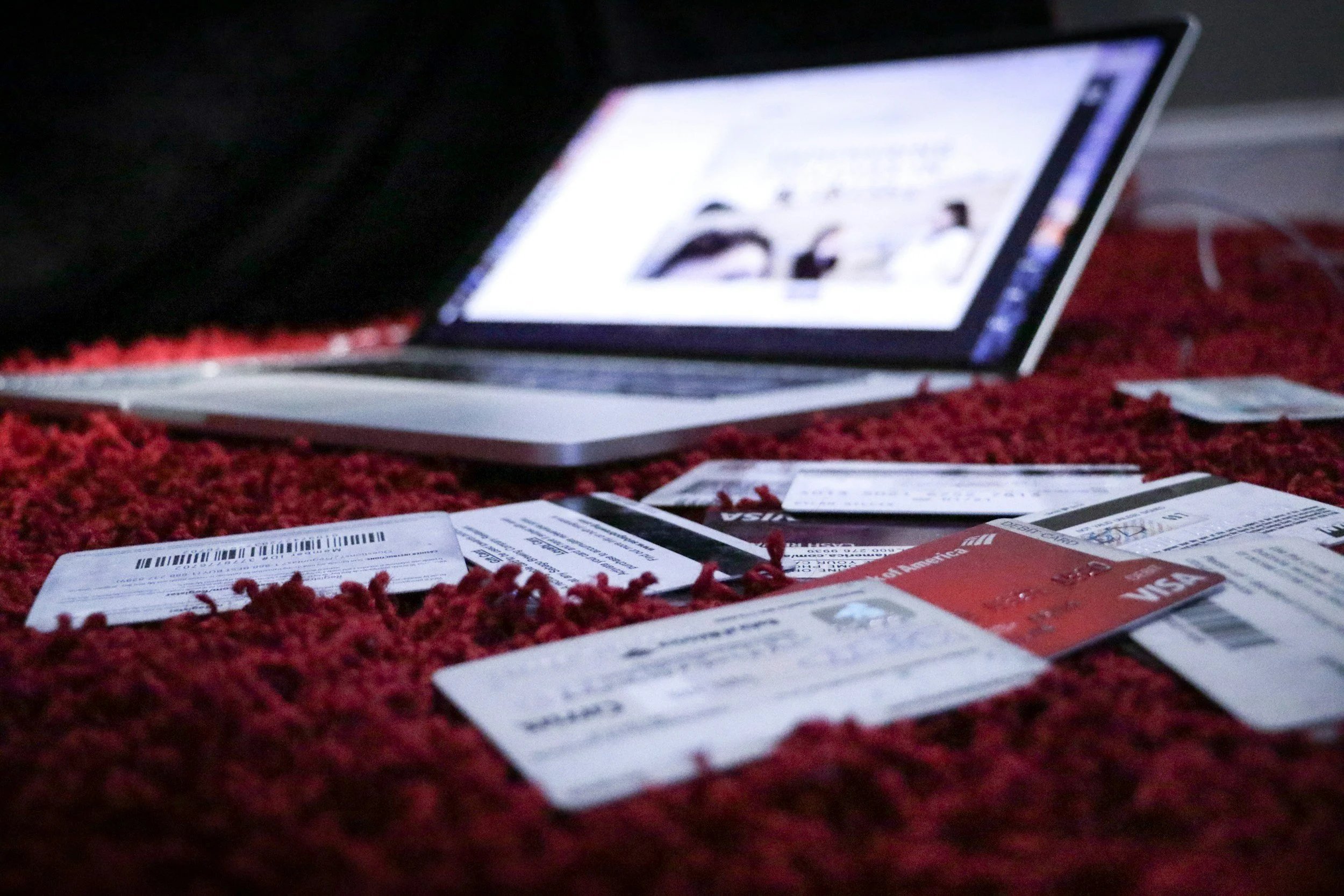
Do you have multiple credit cards that you max out for non-essentials, applying for more to “catch up”?
Saving & Budgeting vs. Debt Cycles
Saving reflects disciplined money habits in regular shoppers, while debt cycles can signal compulsive spending overriding financial reality.
Regular Shopper Examples:
Crisis handling: Unexpected vet bill caused you to pull from savings, but you’re back to budgeting next paycheck.
Flexible planning: "Groceries were under budget this week, so I spent the extra on a treat."
Debt Cycle Examples:
Multiple Credit Cards: Maxing out credit cards and applying for more to “catch up”.
Non-essential rationalization: "I know this purse looks like my three others, but I can put it on store credit and save $20, even though it’ll cost $200"
In the debt cycle due to shopping addiction? Support groups like Spenders Anonymous and Debtors Anonymous recommend structured framework to resolve debt in a way that builds financial accountability. For example, using cash instead of credit.

Do you fixate on shopping throughout the day?
Openness vs. Defensiveness
Openness builds trust around purchases for healthy shoppers, unlike defensiveness that signals shame-driven secrecy.
Signs of Openness Around Spending:
Honesty: When asked what you were up to, if you were shopping, you have no problem being honest.
Shared Goals: Texting a Spouse, "I grabbed those tools we needed so we’re all set for our weekend home repair project."
Defensiveness Examples:
Evasive snap: Telling people to mind their own business or getting angry at them when they ask about your purchases.
Blame shift: "You spend too! Leave me alone!" dodging a simple spending chat.
Counseling tip: When loved ones voice concern about your spending, it’s typically from care for your wellbeing amid noticeable patterns. Defensiveness is a common protective response in spending struggles. Try to pause to breathe and then connect through open conversation to build trust and self-reflection.
Thought Pattern Signs of Addictive Shopping
Practical vs Compulsive
Practical decision-making in shopping involves deliberate self-checks on need, affordability, and fit, while compulsive patterns rely on urgency and broken promises that fuel relapses. This highlights the loss of control central to addiction.
Practical Examples:
Mental Check-in: "Do I need more cereal? Yes, we're out, I’ll add it to my cart."
Necessary upgrades: "My phone case is cracked; this $25 replacement is essential and affordable after bills."
Compulsive Shopping:
False urgency: "This deal ends tonight—must buy now, even though I bought jeans last week and cards are near limit."
Impulse: See something while scrolling, then you impulse-buy right away so you don’t overthink it.
Does this sound like you? Somatic-based approaches like Brainspotting can help you to understand your triggers and their associated compulsions, so that you can build skills to overcome them. For example, delaying purchases or sitting with the urge to shop without acting on it.

Signs of compulsive shopping that may point to addictive behavior
True Justification vs False Justification
True justification in shopping reflects practical, budget-aligned reasoning, while false justification involves emotional excuses that bend rules to enable more spending. This cognitive trap keeps you chasing highs without real accountability.
Real Justification:
Seasonal need: "Summer's here; these two pairs of shorts fit my style and wardrobe gaps. No extras needed."
Practical Replacements: "My old blender broke, so this $80 replacement makes sense—I'll use it daily for smoothies."
False Justification:
Emotional reward: "Work was awful today; I deserve these $150 earrings to cheer myself up, even if I'm over budget."
One-time rule break: "I took a no-shopping vow…but this couch is perfect for movie nights! Just this once, I’ll break my rule."
Often, false justifications mask emotional needs and can lead to regret. These “just this one time” or “I deserve it” exceptions are a way for us to avoid our true feelings. Working with a therapist who specializes in addiction, you can come up with low-pressure alternatives to help you meet your emotional needs without stressing your bank account.
Out of Mind vs Rumination
Regular shoppers experience fleeting, practical thoughts post-purchase, while shopping addicts get stuck in repetitive, craving-fueled rumination that restarts the cycle.
Regular Shopper Examples:
After buying car tires: "That $200 wasn't fun, but now I'm safe on the road."
After a treat like new jeans: "These fit great; glad I waited for the sale. On to laundry."
Shopping Addict Rumination Examples:
Right after a spree (e.g., third pair of boots): "I shouldn't have, but they are so cute... my closet needs organizing anyway. Wait, that handbag in the ad would match perfectly!"
Evening spiral: "Debt's piling up, but this stress from work is too much. New sheets would help me sleep. What if I use the other card?"
In therapy sessions, you can track these spirals and learn how to interrupt them early, before they totally take over. You can replace the rumination cycle with self-compassion practices, so that post-purchase thoughts are resolved quickly and life feels balanced again.
Take the first step to understanding your shopping habits
Recognizing spending patterns can help you to reflect on any shopping behaviors that are harmful instead of helpful. If more of the examples of shopping addiction range true for you, know that you’re not alone, and that small steps can make a lasting difference.
I specialize in supporting clients to overcome addictive behaviors, including those struggling with shopping compulsion. Connect with me here to create a meaningful shift towards healing.
